Founder · Operator · Advisor
I build places and companies designed to outlast their moment.
For fifteen years I have worked at the intersection of real estate, hospitality, culture and human performance — from restoring a 1933 landmark hotel to creating a members' club in a Downtown warehouse, and now building Superform, a new operating system for human performance.
The industries change. The work does not: align vision, capital, design, culture and operations around an idea worth building. Through Casa Rusca I selectively advise founders, investors and institutions creating ventures that must perform commercially, matter culturally, and endure.
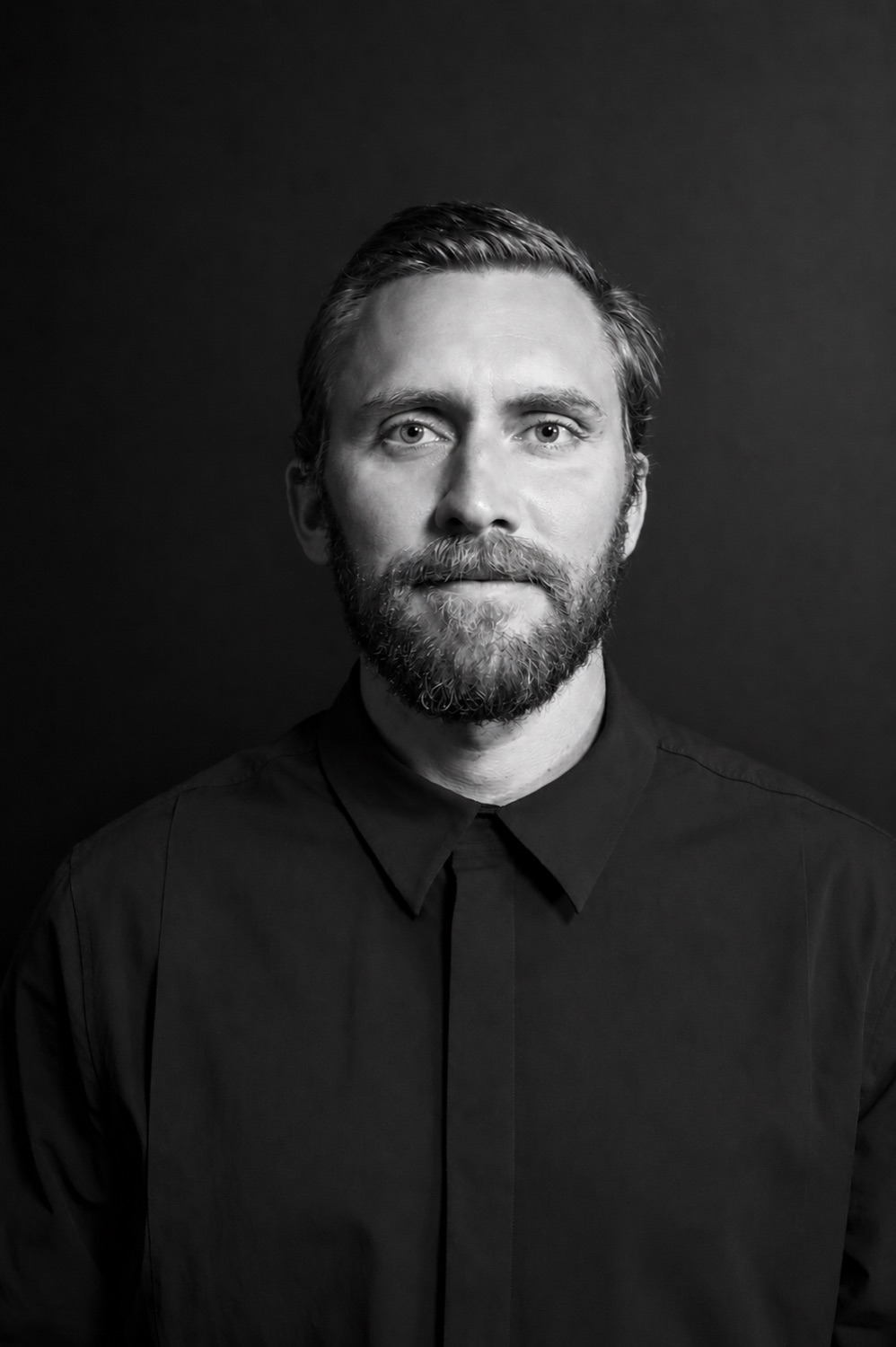
Partner & Owner, The Georgian Hotel
Board Member, Los Angeles Conservation Corps
Founder, Casa Rusca
What I’m building now
Superform is building an operating system for human performance: a proprietary intelligence engine and a flagship facility designed to turn fragmented health and performance data into clear, adaptive action.
Superform brings together laboratory diagnostics, wearable data, physical assessments, and daily behavior to build a more complete picture of the person—and translate it into guidance that changes as they do. The digital platform is paired with a flagship facility in Southern California where assessment, coaching, and hospitality come together under one roof. I founded the company and serve as CEO.
The team brings experience from Meta, Apple, Tesla, and Point72, with academic roots at Stanford and MIT. Our thesis is simple: most health technology is very good at collecting data and too confident about what it means. The durable advantage belongs to the company willing to distinguish what is known, what is inferred, and what remains uncertain—and to make that rigor feel like hospitality, not a lab report.
How I work with founders,
owners, and institutions
Four disciplines. Usually one problem. An ambitious venture only works when the place, the experience, the capital, and the governance reinforce one another. Most engagements begin in one discipline and quickly cross all four.
i · Built environment
What the site can become
The gap between what a site can legally become, what the market will support, and what the place deserves is where the real work begins.
- Land-use strategy, entitlements, and city planning
- Adaptive reuse and historic restoration
- Owner-side design, architecture, and development
- First-of-kind approvals and construction systems
ii · Experience
The part people remember
A competent project satisfies the program. A memorable one creates attachment. That comes from carrying a clear idea through design, service, food, language, and the small decisions most teams stop defending when the budget tightens.
- Concept, positioning, and narrative
- Hospitality, membership, and guest experience
- Food and beverage strategy, operations, and California compliance
- Knowing which details to protect—and which to release
iii · Capital
The structure behind the ambition
I invest personally and help structure capital for others. The objective is not simply to close. It is to choose terms and partners that preserve the venture’s ability to make good decisions later. I treat every introduction as an expenditure of trust and make them only when I would stand behind the opportunity myself.
- Capital raising, strategy, and investor positioning
- Public-private structures, joint ventures, and recapitalizations
- CMBS and private financing
- Family offices, institutional and sovereign capital, and private equity
iv · Governance
Structure that earns trust
Governance is not the enemy of a creative company. It is what allows ambition to survive growth, scrutiny, and changes in leadership. I bring more than a decade of nonprofit board service and an operator’s understanding of what decision-grade reporting must accomplish.
- Independent director and board observer roles
- Investor reporting and compliance frameworks
- Governance for venture- and private-equity-backed companies
- Quiet support for first-time chief executives
The work is not to fill every space. It is to make the structure sound, the economics honest, and the essential idea unmistakable.
In The Book of Tea, Okakura Kakuzō describes the tea room as deliberately unfinished—a space left for the visitor’s imagination to complete.
Okakura Kakuzō · The Book of Tea · 1906
Then leave room for the right people to complete it. That requires someone in the room willing to say plainly what the numbers will, and will not, support.
I have raised capital from family offices that think in generations and funds measured in quarters. I have restored a 1933 hotel and am now building an intelligence platform for human performance. Across each, the discipline is the same: identify what is load-bearing, defend it without apology, and spend nothing on what is not.
Built
Hotels, clubs, restaurants, and technology platforms—many developed through BLVD Hospitality, which Jon Blanchard and I co-founded in 2013. Different categories. The same test: the idea had to be worth experiencing, and the economics had to hold.
Also: Supermassive Corp · Chicas Tacos · Pax Obscura — the full ledger →
Civic
Cities are the longest-dated assets we inherit. This is the work I do without an economic interest.
Board Member · Current · 10+ years
Los Angeles Conservation Corps
One of California’s largest service-based nonprofit organizations, creating paid work, education, and career pathways for young people while delivering conservation and community projects across Los Angeles.
Council Member · Current
ULI Los Angeles — HEDC
A cross-sector council focused on hospitality, entertainment, sports, and destination-driven development. I currently co-lead a committee examining the state and future of Los Angeles’ visitor economy.
Advisory · Past
Bringing Back Broadway
A $40 million city-led initiative to reactivate Downtown Los Angeles’ historic Broadway corridor through restoration, transit, public-realm improvements, and adaptive reuse. The program helped catalyze nearly $1 billion in investment and return more than one million square feet of historic space to use.
Support
Santa Monica Conservancy
The Conservancy protects the architecture and stories that give Santa Monica continuity. Its research informed the Georgian’s restoration and helped us understand the building on its own terms.
Previously: the Third Street Promenade Re-Envisioning Committee — an ad-hoc group convened during downtown Santa Monica's 40% vacancy.
Contact
Tell me what you're building.
nico@casarusca.comBoard opportunities, advisory engagements, and select investments all begin here. The messages I answer fastest are direct: what you are building, where it stands, why it matters, and what you want from me.